What Vessel Design Is Safest for a Halong Bay Day Cruise? A Traveler’s Guide
There’s a moment every Halong traveler remembers: the boat engine hums, the gangway pulls away and the jade water opens like a doorway into a living painting. Limestone towers, green and impossibly tall, rise from the sea. You lift your camera, breathe in the salt air and hope your day on the water will be as smooth as the scene before you.
Safety and comfort are part of that calm. In Halong Bay, the design of your vessel matters almost as much as the itinerary. A wise choice in hull, beam and build can mean less motion, safer boarding and a quieter, more stable day on the water, especially important for families, older travelers or anyone prone to seasickness. This guide explains, in friendly travel-journal style, which vessel designs are safest for a Halong Bay day cruise, why they perform better and how you can pick the right boat for a worry-free adventure.
What Does Reina Mean and Why Is It the First Choice for a Halong Daily Tour?
Why vessel design matters more than you think
Halong Bay’s charm is also its challenge: narrow channels, changing winds and the occasional busy traffic of tour boats. While the bay is typically calm, weather can shift and wake from larger ships can stir smaller boats. A well-designed vessel reduces rolling, resists waves and gives you space to move without worrying.
For Indian travelers used to long family trips or for visitors with mobility or dietary needs, choosing a vessel with the right design is a simple way to avoid stress and enjoy the scenery. Think of your boat as part of the experience, a stable, modern ferry becomes a comfortable moving hotel; an aging wooden junk can feel romantic but may not be ideal for everyone.
If You Are a Religious Believer, Where You Can Go to in Halong
Quick answer: the safest vessel designs for Halong Bay
-
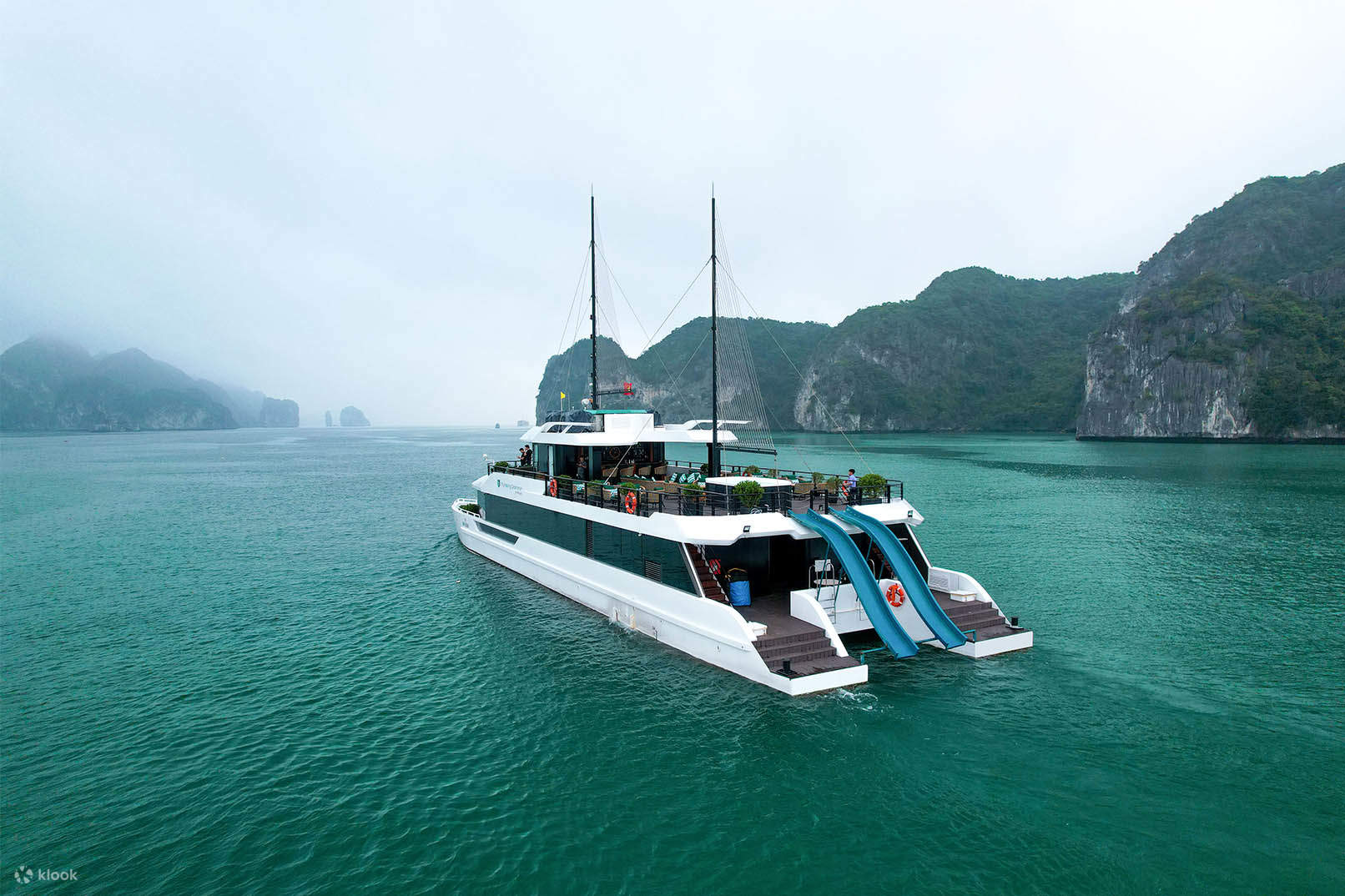
Best overall: Steel-hull catamarans — exceptional stability and comfort.
-
Very safe: Large steel monohull day cruise boats — modern, stable and widely used.
-
Acceptable with caution: Hybrid boats (steel frame with wooden finish) — safe when well maintained.
-
Use only with care: Traditional wooden junks — beautiful, but variable in safety and comfort.
-
Not ideal for day cruising: Small speedboats for long, choppy crossings.
We’ll unpack these now, with real-world pros, cons and tips for booking.
Perfect Deal: Halong Bay Day Cruise Tour with a Preferred Room at Marina Hanoi Hotel
Steel-hull catamarans, the gold standard for safety and comfort

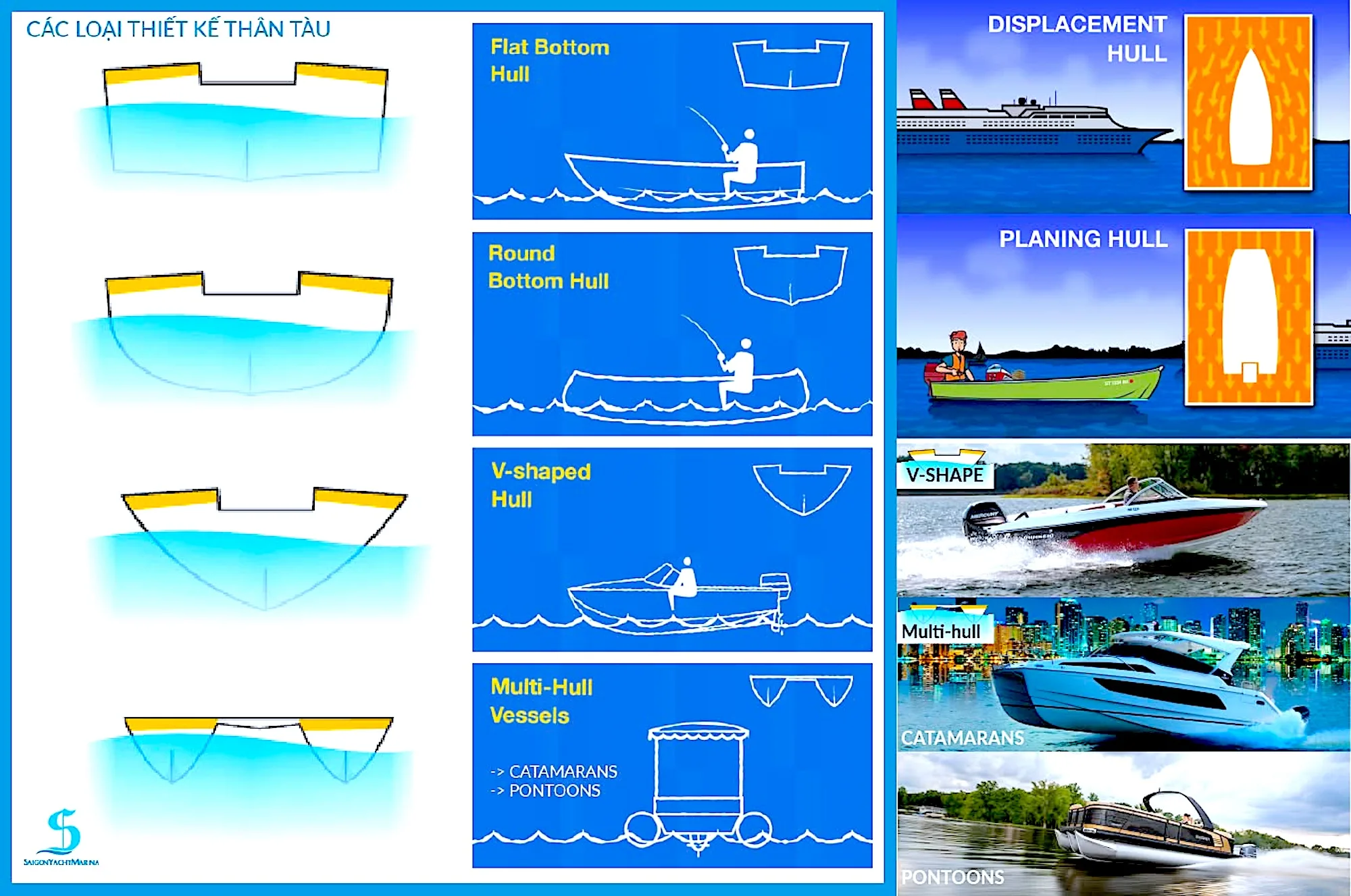
Picture two parallel hulls connected by a wide deck: that’s a catamaran. The twin-hull design is inherently more stable because it spreads buoyancy across two pontoons, drastically reducing roll (the side-to-side tilting that triggers seasickness).
Why catamarans are the best choice
-
Superior stability: The dual hull resists rolling and pitching, giving a smooth ride even when other boats bob.
-
Wide deck and low center of gravity: More room to move and safer for families or elderly guests.
-
Modern engineering: New catamarans typically meet international safety and build standards, with better navigation, twin engines, and up-to-date firefighting systems.
-
Comfort: Larger sundecks, panoramic windows and quieter cabins, ideal for Indian travelers who value comfort and space.
When to pick a catamaran
-
If you get seasick easily.
-
When traveling with children or elderly relatives.
-
If you want a premium, photo-friendly day cruise experience.
You pay Superior double room price but you get Suite executive room.
Steel monohull day cruises — very safe, widely available
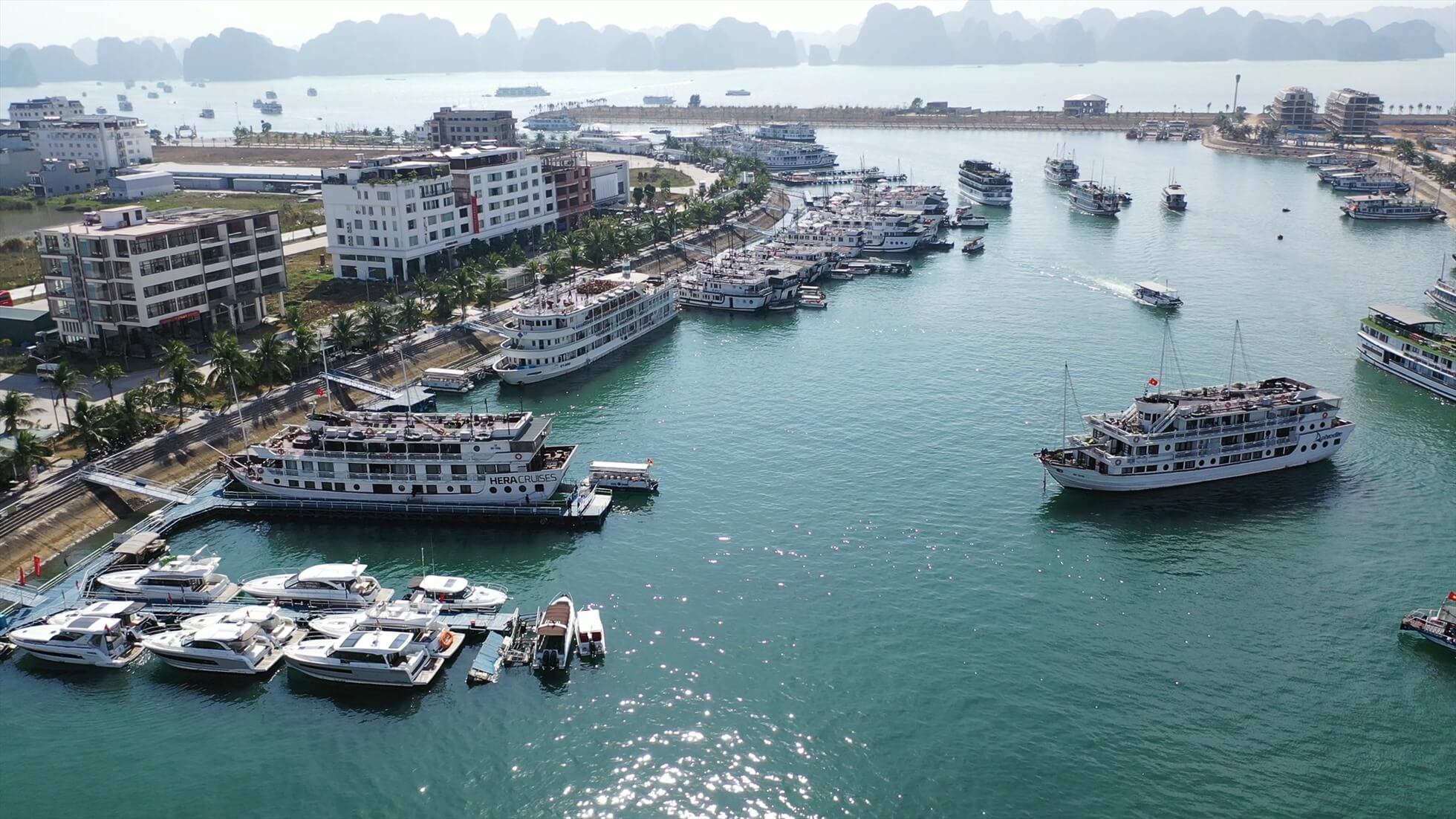
These are the classic white day cruises you see leaving from Tuan Chau. Built with steel hulls and modern designs, they balance passenger capacity and stability.
Why they’re a safe choice
-
Durable construction: Steel absorbs impacts and handles rougher conditions better than old wooden hulls.
-
Good stability: While not as stable as catamarans, large steel monohulls remain steady and are often fitted with stabilizers.
-
Large passenger facilities: Better restrooms, enclosed dining halls and more space to sit out bad weather.
When to choose a steel monohull
-
Traveling with a mid-size group (families, friends).
-
When you want solid infrastructure (modern bathrooms, dining areas).
-
If a catamaran option isn’t available on your date but you still want safety and comfort.
Reina Cruise – Small Group Halong Bay Experience
Hybrid boats (steel frame and wooden finish) — safety plus charm
Some modern boats combine a steel frame with traditional wooden aesthetics. They can offer the best of both worlds: the safety of steel and the warmth of traditional design.
Pros and cons
-
Pros: Safer than old wooden junks; often recently refurbished; visually appealing.
-
Cons: Safety depends on maintenance and operator practices, always confirm certification.
A note on reputation
If you love the look of a wooden boat but want safety, seek operators who advertise a steel core or recent refit and have clear maintenance and safety records.
Traditional wooden junks — beautiful, but judge carefully
Wooden junks are the picture of Halong romance, polished wood, traditional sails and a nostalgic vibe. But their safety profile varies widely.
The trade-offs
-
Pros: Authentic charm, often smaller groups.
-
Cons: Older construction, variable maintenance, more motion in choppy conditions. Wiring and engine conditions vary by operator.
When to avoid
-
If you are prone to seasickness.
-
When traveling with small children or elderly people.
-
On days with rougher weather forecasts.
If you love the aesthetic, book a wooden junk only if it’s operated by a reputable company with clear safety certificates, recent refits and positive recent reviews.
Small speedboats, use for short transfers, not long hauls
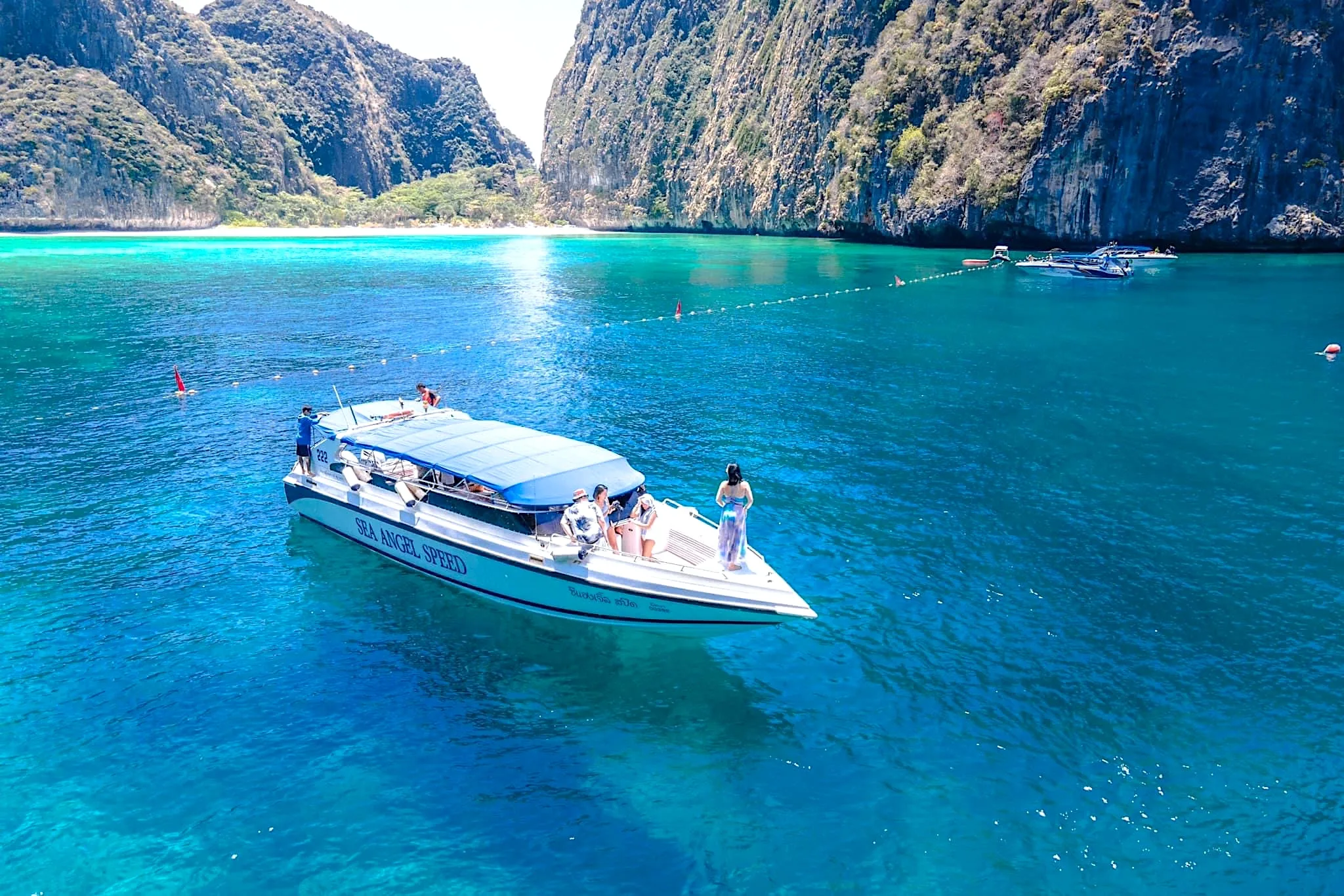
Speedboats are handy for private transfers or short hops but they’re not designed for the relaxed, all-day Halong sightseeing experience. They ride higher on waves and are better for adrenaline than comfort.
Best use
-
Short island hops or private charters in calm weather.
-
Not ideal for elderly passengers or those who want to dine, relax or kayak comfortably.
Design features that matter, beyond hull type
Vessel safety isn’t only hull vs. hull. These structural and equipment features significantly affect real-world safety and comfort:
Wide beam (width)
A wider boat is more stable. Narrow boats tip and roll more easily.
Twin engines
Two engines mean redundancy. If one fails, the other keeps you moving safely.
High freeboard
Higher deck above the waterline reduces splash onto decks and helps in rough conditions.
Modern navigation systems
GPS, radar, AIS (Automatic Identification System), depth sensors and reliable VHF radios are essential for safe navigation.
Life-saving and fire systems
-
Easy-access life jackets (including children’s sizes).
-
Inflatable life rafts, clear evacuation routes.
-
Engine-room fire suppression and smoke detectors.
Trained crew and emergency drills
A well-trained crew that runs regular drills is as important as the boat itself.
How to check vessel safety before booking
Here’s a simple checklist you can use when comparing Halong Bay day cruise options:
-
Hull type: Catamaran or steel monohull? Prefer catamarans for ultimate stability.
-
Age of vessel and last refit: Newer or recently refitted boats are generally safer.
-
Safety equipment: Life jackets for all, visible life rafts, fire suppression.
-
Navigation tech: GPS, radar, AIS listed on the cruise’s features page.
-
Crew training: Ask if crew are trained in CPR and first aid.
-
Passenger capacity: Smaller guest numbers often mean a better safety-to-passenger ratio.
-
Operator reputation: Read recent reviews; avoid operators with recurring safety complaints.
Practical advice for Indian and international travelers
For seasickness-prone travelers
-
Choose catamarans or large steel boats.
-
Take anti-motion medicine 30–60 minutes before boarding (ask your doctor).
-
Sit mid-ship and face the horizon; avoid enclosed cabins during movement.
For families with kids or elderly
-
Prioritize vessels with wide decks, non-slip surfaces and stable boarding ramps.
-
Ask about onboard medical kits and proximity to port hospitals.
For vegetarian or dietary needs
-
Many premium operators accommodate special diets, inform them in advance.
For photographers and slow travelers
-
Catamarans offer stable decks for long-exposure shots and calmer kayak sessions.
Vessel design vs operator responsibility, both matter
Even the best-designed catamaran is unsafe if poorly maintained or badly crewed. Conversely, a well-maintained wooden boat with an experienced crew can be perfectly safe on calm days. Always evaluate both the design and the operator’s safety culture:
-
Do they publish safety certificates?
-
Do they provide a clear safety briefing and visible life jackets?
-
Are transfers handled with clean, well-driven vehicles?
-
Do they have contingency plans for bad weather?
Safety is the sum of the boat’s engineering and the people who run it.
Halong Plaza Hotel – A 4-Star Halong Bay Hotel in the Heart of the City
Quick Comparison Table — At a Glance
| Vessel Type | Stability | Comfort | Best For | Caution |
|---|---|---|---|---|
| Steel Catamaran | Excellent | High | Seasickness-prone, families, photographers | Fewer operators currently |
| Steel Monohull | Very Good | High | Larger groups, comfort seekers | Slightly more roll than catamarans |
| Hybrid (Steel + Wood) | Good | Medium-High | Travelers seeking aesthetics + safety | Check maintenance records |
| Wooden Junk | Variable | Charming | Romantic photos, small groups | Avoid if prone to seasickness |
| Speedboat | Low-Medium | Low (bumpy) | Short transfers | Not for full day cruising |
Real travel story — why design made the difference
A small family from Delhi once boarded a wooden junk on a gray morning. Within 30 minutes, the wind picked up and the boat rolled in ways that made the children cry. The parents later switched to a steel catamaran for a private half-day trip the next month and called that a “night and day” experience. The wider, twin-hull boat kept them steady, the kids played on the sundeck and the photos looked like postcards. Design changed their memory of Halong from stressful to serene. That’s the power of picking the right vessel.
FAQs — quick answers
Q: Are catamarans always more expensive?
A: Often slightly more, but not always. The value, less seasickness, more space, is generally worth the modest premium.
Q: Is a steel monohull safe in storms?
A: Yes, but in bad weather cruises are usually canceled or rerouted. Modern steel boats handle rougher conditions better than old wooden boats.
Q: How do I know if a small wooden boat is safe?
A: Ask for maintenance records, safety certificates and recent customer reviews. If none are provided, choose another operator.
Choose comfort, Choose stability
You went to Halong Bay to feel small before a vast, beautiful world not to feel small on a rocking deck. For the safest, most comfortable Halong Bay day cruise, prioritize steel-hull catamarans or modern steel monohulls. Check safety gear, confirm crew training and don’t hesitate to ask operators about specific vessel features. When design and operation combine, the bay’s beauty isn’t just seen, It’s felt with ease.
-
 Halong Dolphin Cruise with Scenic Routes and Premium Service
Original price was: 2,350,000₫.2,000,000₫Current price is: 2,000,000₫.
Halong Dolphin Cruise with Scenic Routes and Premium Service
Original price was: 2,350,000₫.2,000,000₫Current price is: 2,000,000₫. -
 Two Days, One Night on Syrena Cruise Experience for Indian Travelers
Original price was: 5,000,000₫.4,000,000₫Current price is: 4,000,000₫.
Two Days, One Night on Syrena Cruise Experience for Indian Travelers
Original price was: 5,000,000₫.4,000,000₫Current price is: 4,000,000₫. -
 Perfect Two Days, One Night Escape on Pelican Cruise for Indian Travelers
Original price was: 4,500,000₫.3,800,000₫Current price is: 3,800,000₫.
Perfect Two Days, One Night Escape on Pelican Cruise for Indian Travelers
Original price was: 4,500,000₫.3,800,000₫Current price is: 3,800,000₫. -
 Premier Village Halong Bay — Villas with Private Pools
Original price was: 6,000,000₫.4,000,000₫Current price is: 4,000,000₫.
Premier Village Halong Bay — Villas with Private Pools
Original price was: 6,000,000₫.4,000,000₫Current price is: 4,000,000₫. -
 Halong DC Hotel, Perfect Bay Views at a Very Good Price
Original price was: 800,000₫.600,000₫Current price is: 600,000₫.
Halong DC Hotel, Perfect Bay Views at a Very Good Price
Original price was: 800,000₫.600,000₫Current price is: 600,000₫. -
 Estella Premium: The Ultimate Halong Bay Day Cruise for Style, Comfort and Luxury
Original price was: 900,000₫.800,000₫Current price is: 800,000₫.
Estella Premium: The Ultimate Halong Bay Day Cruise for Style, Comfort and Luxury
Original price was: 900,000₫.800,000₫Current price is: 800,000₫. -
 Paradise Delight: Why Indian Travelers Fall in Love with Halong Bay
Original price was: 1,200,000₫.1,000,000₫Current price is: 1,000,000₫.
Paradise Delight: Why Indian Travelers Fall in Love with Halong Bay
Original price was: 1,200,000₫.1,000,000₫Current price is: 1,000,000₫. -
 Wyndham Legend Halong – Where Comfort Meets the Best View of Halong Bay
Original price was: 1,500,000₫.1,200,000₫Current price is: 1,200,000₫.
Wyndham Legend Halong – Where Comfort Meets the Best View of Halong Bay
Original price was: 1,500,000₫.1,200,000₫Current price is: 1,200,000₫.