What Are the Health Emergencies You May Have on a Halong Day Trip
Imagine this: you’re standing on the sunlit deck of a Halong Bay day cruise. Limestone karsts rise like green fortresses from the sea, a cool breeze lifts the edges of your scarf and your camera is full of perfect frames. Halfway through the day, a fellow passenger looks pale and dizzy. The guide snaps into action. Within minutes they’ve assessed the situation, brought water, shaded the passenger and radioed ahead to the port. The rest of the guests feel reassured; the trip continues with calm and order.
That scene offers a good summary of Halong Bay travel: it’s stunning, but like any adventure that involves sun, sea, food and movement, it carries small health risks. Most day trips end without incident but when someone gets sick, knowing what to expect makes the difference between a scary moment and a managed emergency. This guide explains the most likely health emergencies on a Halong day trip, how to prevent them, what to do if they happen and practical tips especially useful for Indian travelers who may have diet preferences or mobility needs.
I Love Speedboats, Is It Easy to Try One During a Halong Bay Trip?
Why health preparedness matters on a Halong day trip
A Halong day trip is compressed: you pack a full set of activities, cruising, cave visits, kayaking, beach time and climbing into 6–8 hours. While this makes the day thrilling and time-efficient, it also increases exposure to sun, motion and unfamiliar food. For tourists arriving from Hanoi the same morning, there’s also the travel fatigue factor. Two more reasons to pay attention:
-
Medical resources at sea are limited. Day boats carry first-aid kits and trained crew, but they’re not floating hospitals. Serious incidents require quick communication with the port and transport to a land clinic or hospital.
-
Prevention is easy and effective. A little planning, hydration, sun protection, notifying staff about allergies, prevents most problems.
If You Are a Religious Believer, Where You Can Go to in Halong
The most common health emergencies on a Halong day trip
Below are the health issues you’re most likely to encounter, described with signs, immediate responses and prevention tips.
Motion sickness (seasickness)
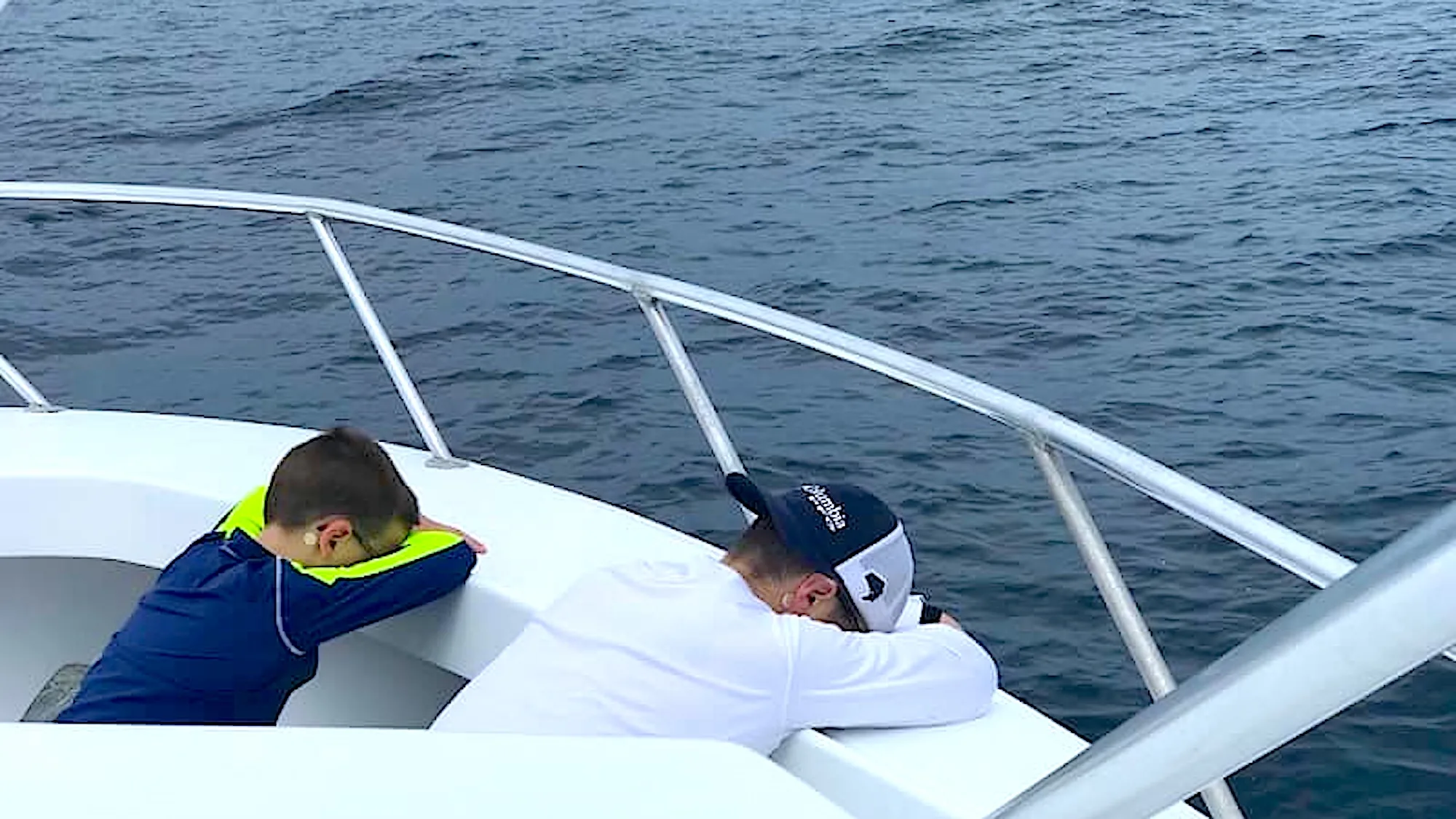
- What it looks like: nausea, sweating, dizziness, sudden fatigue.
- Why it happens: even Halong’s usually calm waters can roll; small boats, waves from passing ships or the motion while boarding and disembarking can trigger symptoms.
- Immediate steps: move the person to fresh air on the deck, have them lie down looking at the horizon, provide sips of water and give anti-nausea medicine if available (or a ginger candy). Cruise crews often have motion-sickness tablets onboard.
- Prevention: take anti-motion medication 30–60 minutes before boarding, sit mid-ship where motion is less, avoid heavy meals right before departure and focus on the horizon.
Heat exhaustion and heatstroke
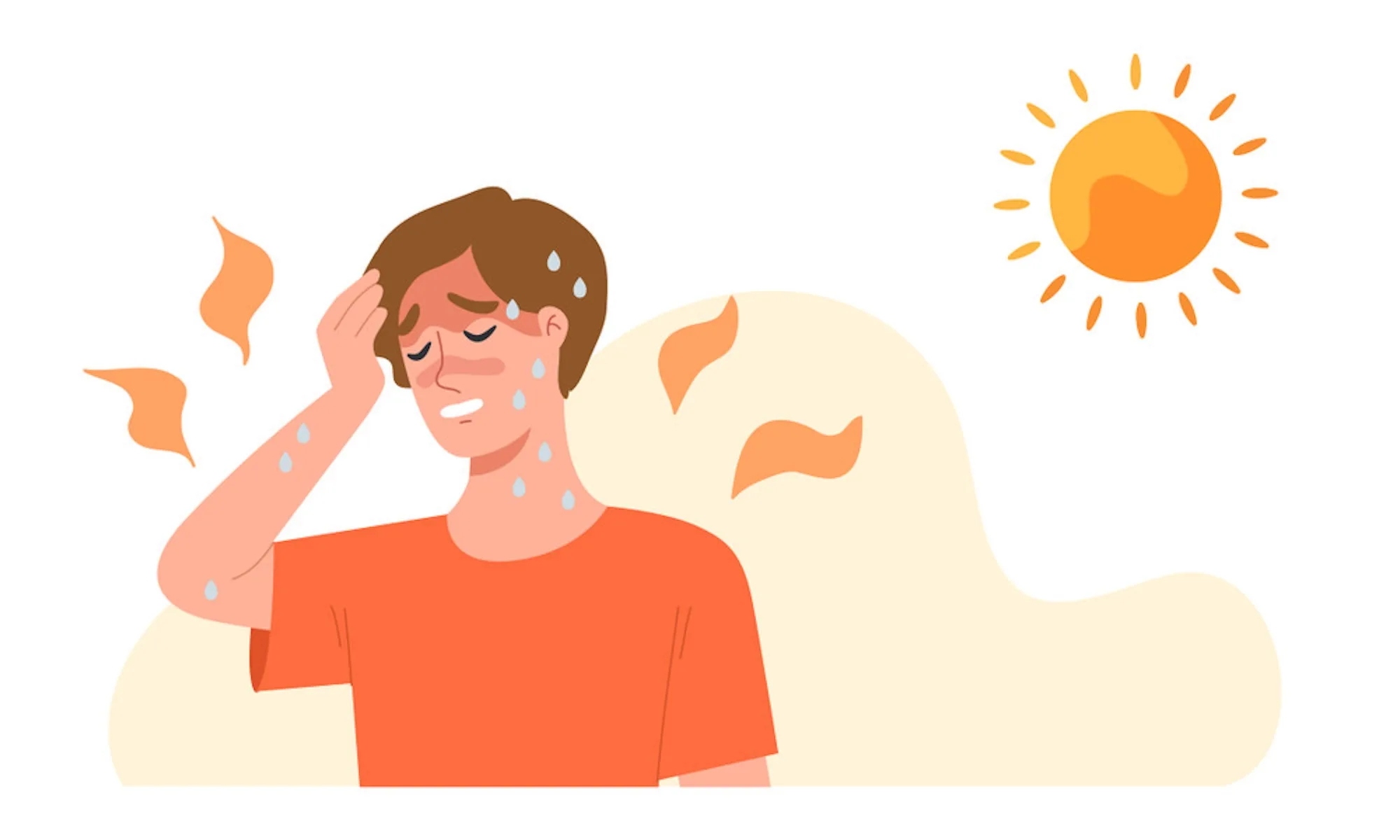
- What it looks like: weakness, confusion, headache, profuse sweating (heat exhaustion) or hot dry skin, rapid pulse, fainting (heatstroke).
- Why it happens: tropical sun, reflective water surface, prolonged sun exposure during kayaking or climbing. Indian travelers used to high sun may still be at risk due to humidity and sustained exposure.
- Immediate steps: move to shade, cool the person with wet towels, give small sips of water or oral rehydration salts and call for help if symptoms are severe. If heatstroke is suspected (loss of consciousness, vomiting, confusion), get to shore and emergency care immediately.
- Prevention: keep hydrated (aim for 1.5–2L water during the trip), wear a hat and long light sleeves, use SPF 50+ sunscreen and take rest breaks in shaded areas.
Food allergies and allergic reactions
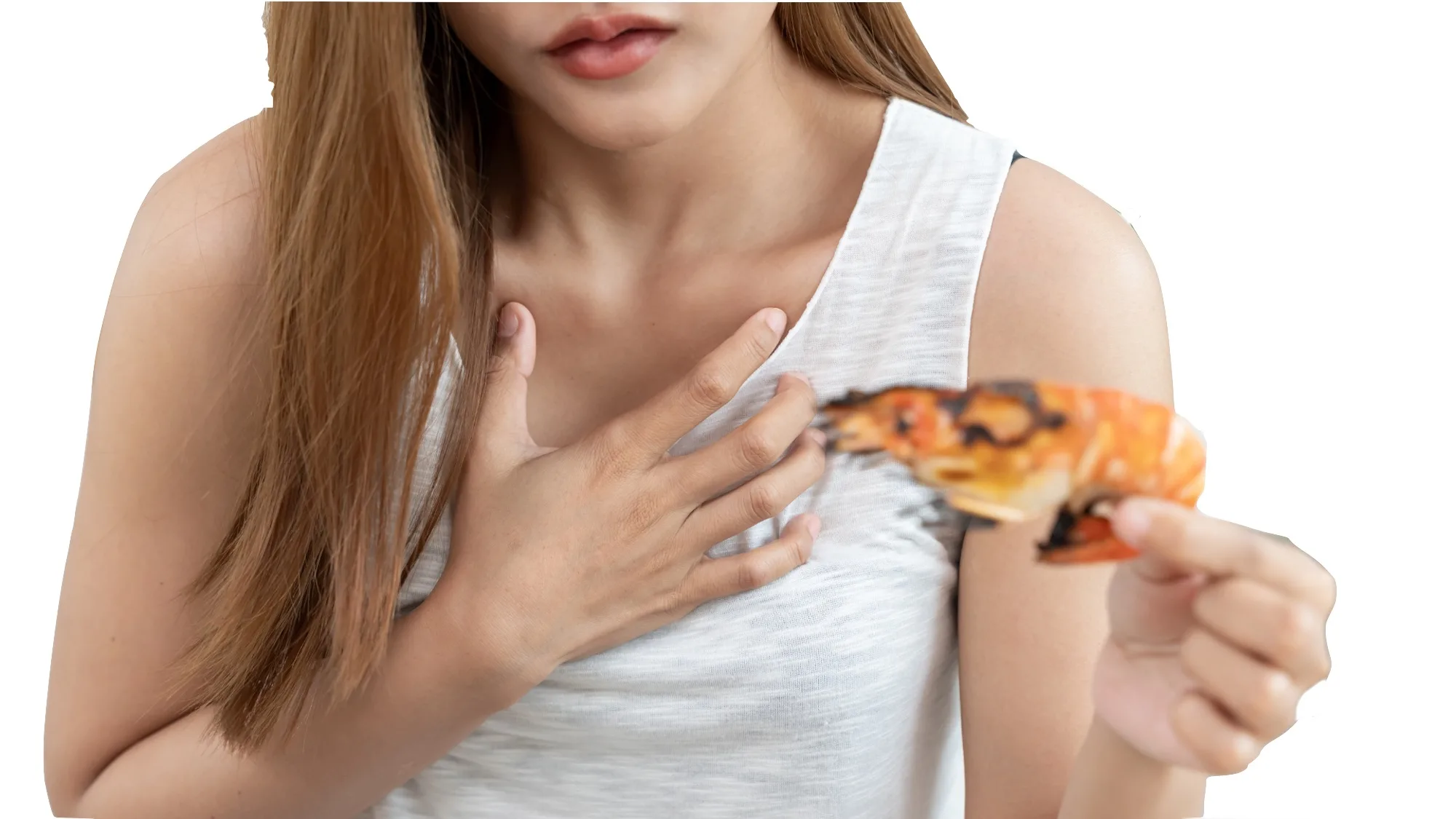
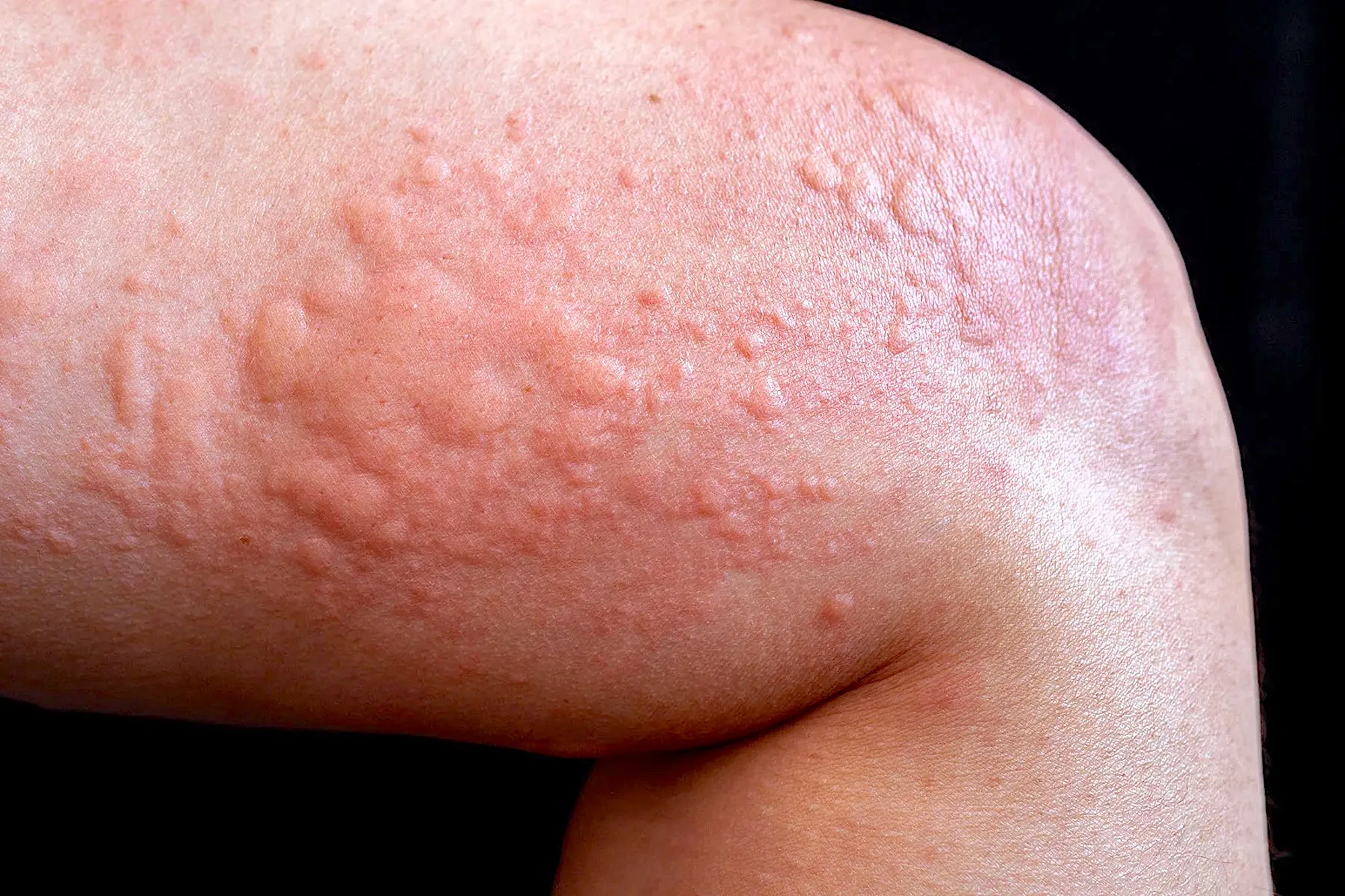
- What it looks like: hives, swelling (especially lips/tongue), itching, difficulty breathing in severe cases (anaphylaxis).
- Why it happens: Halong is seafood heaven — shellfish, prawns, oysters and cross contamination is possible in buffets or small kitchens.
- Immediate steps: stop exposure to the trigger, give antihistamines for mild reactions, use an epinephrine auto-injector if available and the person has one and call emergency services for severe reactions. Cruise staff should be informed instantly.
- Prevention: notify the operator about allergies ahead of time, request allergen-free meals, avoid unknown street/float vendors and carry your own antihistamine or epinephrine device if you have a history of severe allergies.
Foodborne illness and stomach upsets

- What it looks like: nausea, stomach pain, diarrhea, sometimes fever.
- Why it happens: undercooked seafood, unhygienic food handling on small boats or floating stalls.
- Immediate steps: rest, stay hydrated with ORS (oral rehydration solution), avoid anti-diarrhea meds if fever or blood in stool (seek medical care) and ask crew for safe food options.
- Prevention: prefer reputable cruise operators with proper kitchens, avoid uncooked seafood or street food you’re unsure about and keep simple snacks (biscuits, nuts) as backup.
Minor injuries: slips, cuts, sprains
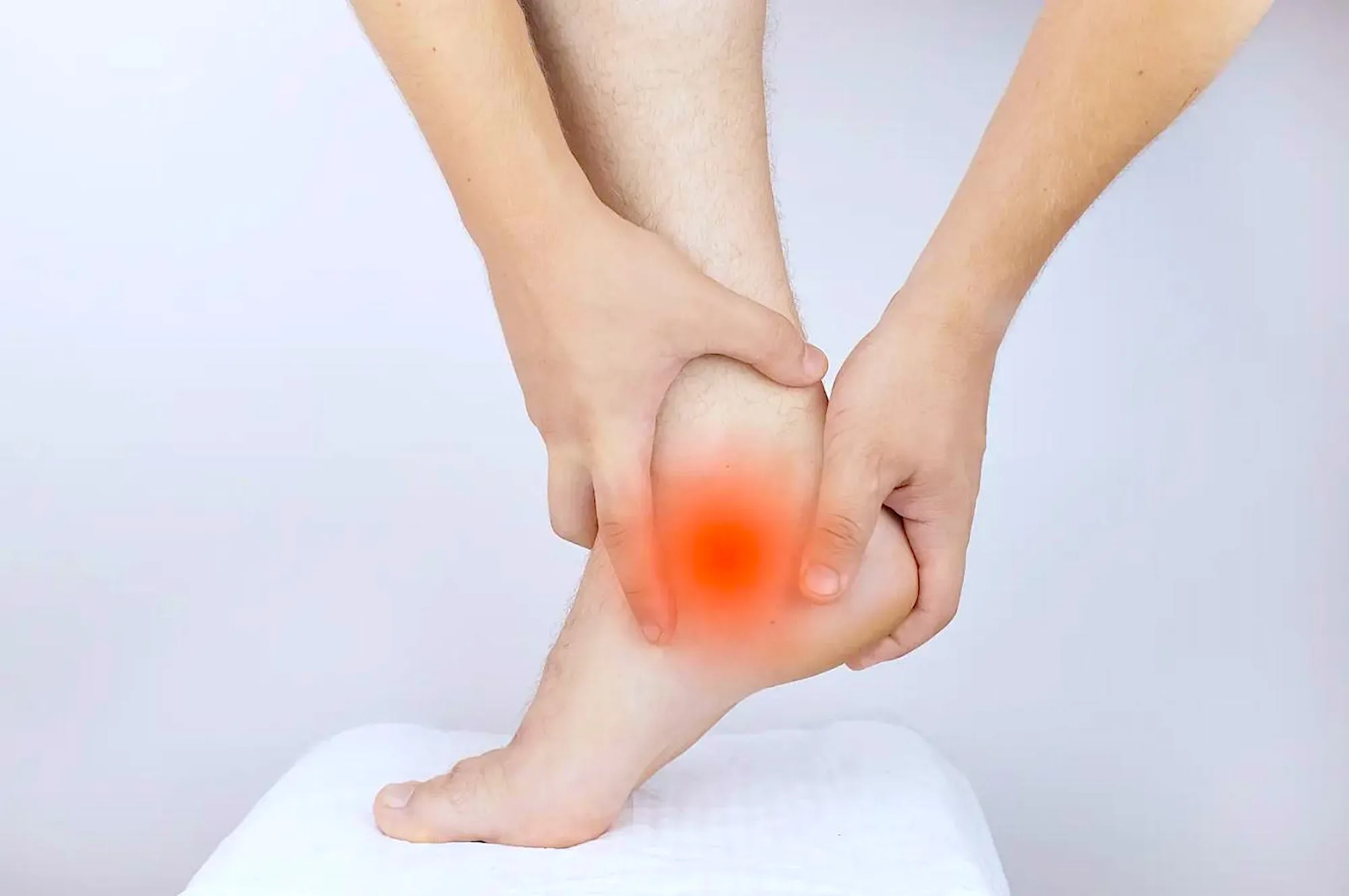
- What it looks like: superficial cuts, bruises, twisted ankles, minor head bumps. These most often occur on wet decks, cave steps, or beach rocks.
- Immediate steps: clean wounds with antiseptic, apply pressure for bleeding, immobilize sprains and seek professional assessment if severe. Crew first-aid usually covers basic wound care and bandaging.
- Prevention: wear non-slip shoes, move slowly on wet surfaces, use handrails and supervise children closely.
Sunburn and skin reactions
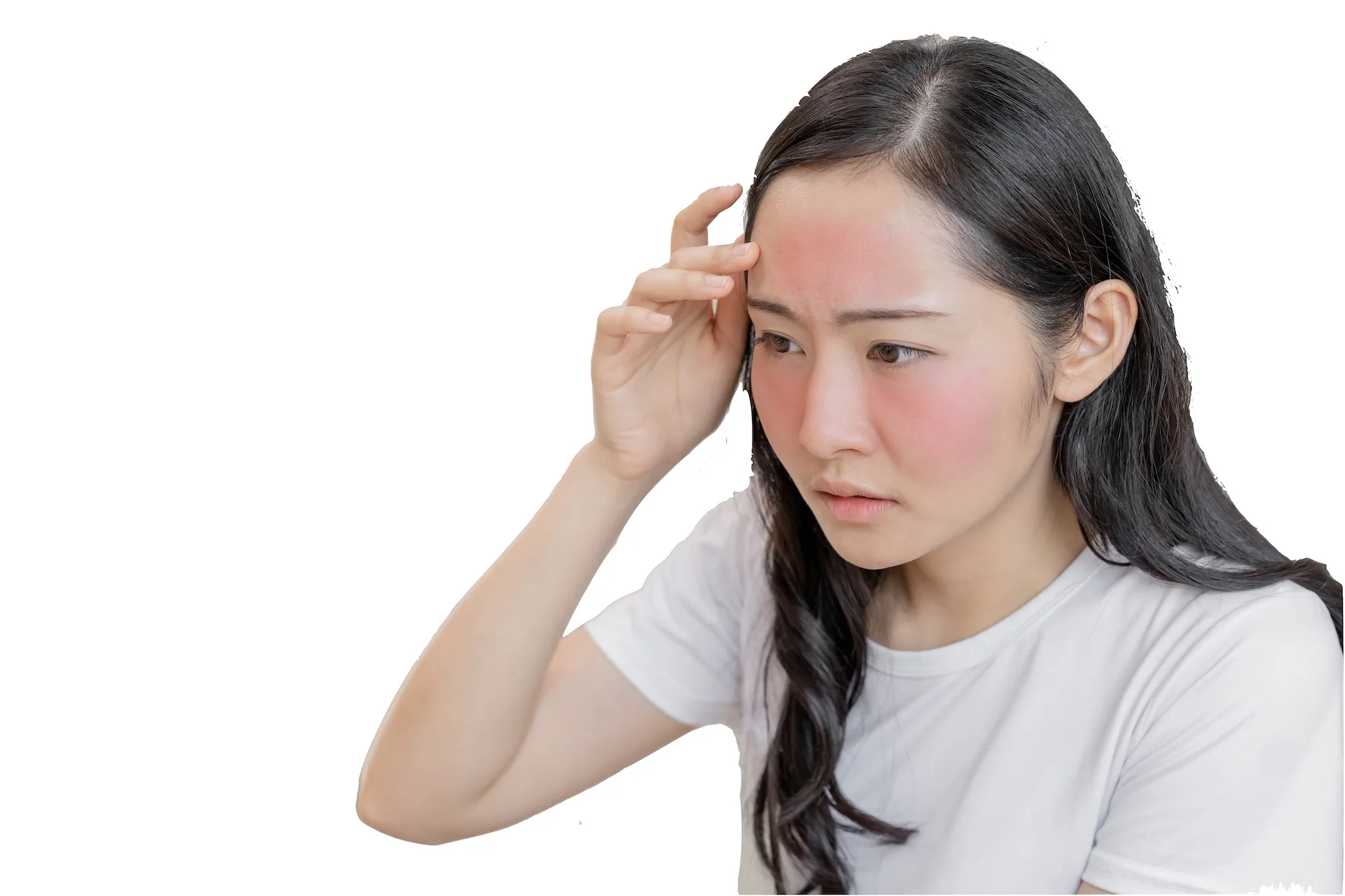
- What it looks like: red, painful skin, blisters in severe cases. Indian skin tones may also experience significant discomfort from prolonged unprotected sun exposure.
- Immediate steps: cool compresses, aloe vera gel, avoid further sun exposure until healed. For severe blisters or systemic symptoms seek medical care.
- Prevention: apply sunscreen generously and often, wear UPF clothing, use umbrellas or hats and avoid peak midday sun.
Rare but serious emergencies (cardiac events, drowning)

- What it looks like: chest pain, loss of consciousness, severe breathing difficulty or an unresponsive swimmer in the water.
- Immediate steps: call the crew immediately, they are trained in emergency response and will begin CPR if necessary while heading to the nearest port. For drowning, immediate rescue and CPR are priorities.
- Prevention: if you have cardiac risk factors, consult your doctor before travel, avoid strenuous activity and wear a lifejacket during water activities.
Perfect Deal: Halong Bay Day Cruise Tour with a Preferred Room at Marina Hanoi Hotel
How cruise operators handle medical situations
Most licensed day-cruise boats have:
-
First-aid kits and crew trained in emergency first response.
-
VHF radio or phone contact with port authorities for quick return to shore.
-
Pre-planned emergency protocols including nearby hospital contacts and rapid transport to Bai Chay or Halong City medical centers.
Premium cruises may have better equipment, faster communication and staff trained to assist international guests (English-speaking). Always ask your operator about safety standards before booking.
You pay Superior double room price but you get Suite executive room.
What to do during an emergency — clear steps
-
Alert the crew immediately. They’re trained and have protocols. Don’t wait.
-
Move the person to a safe area. Shade, dry deck, cabin, anywhere stable and cool.
-
Provide basic first aid if trained: rehydration for heat exhaustion, antihistamines for mild allergy, compress for bleeding.
-
Request return to port if symptoms are serious; reputable operators will prioritize safety over itinerary.
-
Seek medical care ashore. For moderate/severe cases, go to Vinmec or Bai Chay Hospital for treatment.
-
Document for insurance. Keep medical reports, receipts and the cruise incident report for claims.
Pre-trip preparation: the essential health checklist (pack this)
-
Prescription medications (in original bottles) and a copy of prescriptions.
-
Anti-motion sickness tablets (Dimenhydrinate, Meclizine) or natural ginger alternatives.
-
Antihistamine tablets (cetirizine or loratadine) and an epinephrine pen if you have severe allergies.
-
Oral rehydration salts (ORS) or electrolyte sachets.
-
Broad-spectrum antibiotic cream, antiseptic wipes, and adhesive bandages.
-
Sunscreen SPF 50+, lip balm with SPF, lightweight long-sleeve shirt and wide-brim hat.
-
Reusable water bottle (fill before boarding) and small healthy snacks.
-
Basic first-aid kit with tourniquet or splint if you have special needs.
-
Travel insurance details and emergency contact list (local and family).
-
Copy of your passport and a note of any chronic health conditions.
Tip for Indian travelers: pack some familiar snacks or a small packet of instant khichdi/poha — helpful if you have sensitive stomach or dietary restrictions.
Choosing the right cruise to reduce health risk
-
Large, modern boats are more stable and less likely to cause motion sickness. Look for ships with stabilizers if you’re seasickness-prone.
-
Premium operators often have better hygiene, trained staff and clearer emergency procedures, worth the extra cost if health concerns matter.
-
Confirm food options in advance — vegetarian, vegan, Jain or specific allergy menus are commonly accommodated by established cruise lines.
-
Ask about transfers — a comfortable limousine or private car reduces travel fatigue compared to crowded coaches.
Aftercare: what to do when back on land
-
Rest for 24–48 hours after any significant incident (heat exhaustion, food poisoning).
-
If symptoms persist (fever, severe diarrhea, chest pain), visit a hospital immediately. Use your insurance for faster service at private clinics like Vinmec.
-
Keep records of any treatment for insurance claims. Many travel insurers require documentation within a set time frame.
Real traveler tips from Indians who’ve been there
-
“Carry ayurvedic motion remedies (ginger tablets), they worked better for me than pills.” — Neha, Mumbai
-
“I always tell the operator about my vegetarian needs; they cook up simple, clean meals.” — Rajiv, Delhi
-
“A light scarf and a hat saved me from a bad sunburn on deck.” — Sangeeta, Bangalore
Reina Cruise – Small Group Halong Bay Experience
FAQs (quick answers travelers ask)
Q: Should I buy travel insurance for a Halong day trip?
A: Yes. Choose a policy covering emergency evacuation and medical treatment in Vietnam.
Q: Is it safe to swim during a Halong day trip?
A: Yes in designated areas and when the crew says it’s safe. Always wear a lifejacket for water activities unless explicitly cleared.
Q: My elderly parent has mobility issues — is a day trip advisable?
A: Discuss with both your doctor and the operator. Choose a large stable vessel, request assistance for boarding and avoid steep climbs like Titop Island.
Q: What if I need medication during the trip and forget it at home?
A: Small clinics in Halong can supply common meds, but prescription drugs are more complicated. Bring important meds from home when possible.
Halong Plaza Hotel – A 4-Star Halong Bay Hotel in the Heart of the City
enjoy Halong with calm confidence
A Halong day trip is one of Southeast Asia’s most rewarding short travels: dramatic scenery, gentle cruising and memories that last a lifetime. Most days pass without a hitch, but the key to a stress-free trip is preparation. With a few medicines in your kit, clear communication about allergies or mobility needs and the confidence to alert the crew at the first sign of trouble, you’ll be positioned to handle any health issue calmly and effectively. Travel smart: choose a reputable operator, hydrate, protect your skin and carry a little medical commonsense. Do that and your Halong day trip will be as safe as it is spectacular.
Book your Halong Plaza stay now and join the heartbeat of Halong
-
 Halong Dolphin Cruise with Scenic Routes and Premium Service
Original price was: 2,350,000₫.2,000,000₫Current price is: 2,000,000₫.
Halong Dolphin Cruise with Scenic Routes and Premium Service
Original price was: 2,350,000₫.2,000,000₫Current price is: 2,000,000₫. -
 Two Days, One Night on Syrena Cruise Experience for Indian Travelers
Original price was: 5,000,000₫.4,000,000₫Current price is: 4,000,000₫.
Two Days, One Night on Syrena Cruise Experience for Indian Travelers
Original price was: 5,000,000₫.4,000,000₫Current price is: 4,000,000₫. -
 Perfect Two Days, One Night Escape on Pelican Cruise for Indian Travelers
Original price was: 4,500,000₫.3,800,000₫Current price is: 3,800,000₫.
Perfect Two Days, One Night Escape on Pelican Cruise for Indian Travelers
Original price was: 4,500,000₫.3,800,000₫Current price is: 3,800,000₫. -
 Premier Village Halong Bay — Villas with Private Pools
Original price was: 6,000,000₫.4,000,000₫Current price is: 4,000,000₫.
Premier Village Halong Bay — Villas with Private Pools
Original price was: 6,000,000₫.4,000,000₫Current price is: 4,000,000₫. -
 Halong DC Hotel, Perfect Bay Views at a Very Good Price
Original price was: 800,000₫.600,000₫Current price is: 600,000₫.
Halong DC Hotel, Perfect Bay Views at a Very Good Price
Original price was: 800,000₫.600,000₫Current price is: 600,000₫. -
 Estella Premium: The Ultimate Halong Bay Day Cruise for Style, Comfort and Luxury
Original price was: 900,000₫.800,000₫Current price is: 800,000₫.
Estella Premium: The Ultimate Halong Bay Day Cruise for Style, Comfort and Luxury
Original price was: 900,000₫.800,000₫Current price is: 800,000₫. -
 Paradise Delight: Why Indian Travelers Fall in Love with Halong Bay
Original price was: 1,200,000₫.1,000,000₫Current price is: 1,000,000₫.
Paradise Delight: Why Indian Travelers Fall in Love with Halong Bay
Original price was: 1,200,000₫.1,000,000₫Current price is: 1,000,000₫. -
 Wyndham Legend Halong – Where Comfort Meets the Best View of Halong Bay
Original price was: 1,500,000₫.1,200,000₫Current price is: 1,200,000₫.
Wyndham Legend Halong – Where Comfort Meets the Best View of Halong Bay
Original price was: 1,500,000₫.1,200,000₫Current price is: 1,200,000₫.